



-
Products
-

Upgrades in commercial vehicle emission standards are driving demand for injector replacement, while aftermarket maintenance technologies are evolving accordingly.
2026-02-24 16:49
Author:
The commercial vehicle industry is undergoing significant transformations as governments worldwide tighten emission standards to combat environmental pollution. These upgrades in emission regulations are not merely bureaucratic exercises; they have profound implications for vehicle maintenance, particularly regarding fuel injectors. The increasing demand for injector replacement is a direct consequence of these new standards, and the aftermarket maintenance technologies are evolving in response to this shift. This article explores the implications of upgraded emission standards on injector replacement demand and the concurrent advancements in aftermarket maintenance technologies.
The evolution of emission standards has been primarily driven by a global commitment to reducing greenhouse gas emissions and improving air quality. Regulatory bodies, such as the Environmental Protection Agency (EPA) in the United States and the European Union’s Euro standards, have established stringent guidelines for nitrogen oxides (NOx), particulate matter (PM), and carbon dioxide (CO2) emissions from commercial vehicles. As a result, manufacturers are compelled to develop cleaner, more efficient engines that meet these regulations. This transition often necessitates significant changes in fuel injection systems, which are critical for optimizing engine performance and reducing emissions.
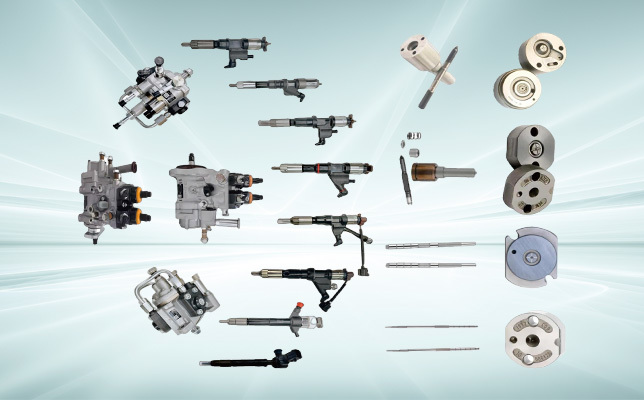
Fuel injectors play a pivotal role in the combustion process, directly influencing the efficiency and cleanliness of an engine. With the advent of new emission standards, older vehicles are often found lacking in their ability to meet these requirements. Consequently, fleet operators and individual owners are increasingly turning to injector replacements as a solution to ensure compliance. Replacing outdated or malfunctioning injectors not only enhances engine performance but also helps reduce harmful emissions, aligning with the new regulatory landscape.
The demand for injector replacement is not solely driven by compliance; it is also influenced by the growing awareness of the benefits of maintaining optimal vehicle performance. Modern fuel injectors are designed with advanced technologies that allow for better atomization of fuel, resulting in more efficient combustion. This improved efficiency translates into better fuel economy and lower operational costs for fleet operators, making injector replacement an attractive investment. Moreover, with rising fuel prices, the economic incentive to upgrade fuel injectors is more compelling than ever.
As the demand for injector replacement surges, the aftermarket maintenance sector is also evolving to meet the needs of commercial vehicle operators. Traditional maintenance practices are being supplemented by innovative technologies that enhance service efficiency and effectiveness. One notable trend is the increasing use of diagnostic tools and software that allow technicians to assess the health of fuel injectors and other engine components with precision. These tools provide real-time data, enabling proactive maintenance strategies that can prevent costly breakdowns and extend the lifespan of vehicles.
Additionally, the rise of digital platforms and e-commerce has transformed the way aftermarket parts, including fuel injectors, are sourced and sold. Fleet operators can now access a wider range of injector options and compare prices and specifications with ease. This accessibility not only fosters competition among suppliers but also empowers vehicle owners to make informed decisions about their maintenance needs. As a result, the aftermarket for fuel injectors is becoming more dynamic, with a focus on quality and performance.
Another significant development in the aftermarket maintenance landscape is the integration of advanced materials and manufacturing techniques in the production of fuel injectors. Manufacturers are increasingly utilizing high-performance materials that can withstand the rigors of modern engine demands. Innovations such as 3D printing and precision machining are enabling the creation of injectors that are not only more durable but also capable of delivering superior performance. This shift towards advanced manufacturing processes is a direct response to the challenges posed by stricter emission standards, ensuring that replacement injectors meet or exceed the latest regulatory requirements.
Furthermore, the advent of electric and hybrid commercial vehicles is adding another layer of complexity to the injector replacement market. As the industry transitions towards electrification, traditional fuel injectors may become obsolete, but the need for innovative solutions remains. The development of hybrid systems that combine internal combustion engines with electric propulsion will require new types of injectors that can accommodate diverse fuel types and optimize performance in varying conditions. This shift is prompting aftermarket suppliers to invest in research and development to create injectors that cater to the evolving needs of the market.
In conclusion, the upgrades in commercial vehicle emission standards are significantly driving the demand for injector replacement, reflecting a broader commitment to environmental sustainability and operational efficiency. As fleet operators seek to comply with stringent regulations and enhance vehicle performance, the aftermarket maintenance sector is rapidly evolving to provide innovative solutions. From advanced diagnostic tools to cutting-edge manufacturing techniques, the industry is adapting to meet the challenges of a changing regulatory landscape. As we look to the future, the interplay between emission standards and aftermarket technologies will continue to shape the commercial vehicle market, underscoring the importance of innovation in achieving cleaner, more efficient transportation solutions.
Related articles:
End

Contact us
jinhuotong6@cninjectorpump.com
Room 511, 5th Floor, Building 28, Guangcai International, Zhangheng West Road, Guangwu Street, Wolong District, Nanyang City, Henan Province


Customize your solution
We will contact you within one business day. Please keep an eye on your email.